


Best Two Way Radio Brands - Kenwood, Hytera, Motorola, ICOM?
By Bruce Fogelberg - www.twowayradio.com. We are commercial radio experts since 2000. , Two Way Radio Expert
Published: March 26, 2026
Last updated: March 27, 2026
Two-Way Radio Brands: A Buyer's Guide
Understanding brand differences, quality tiers, and what to look for before you buy
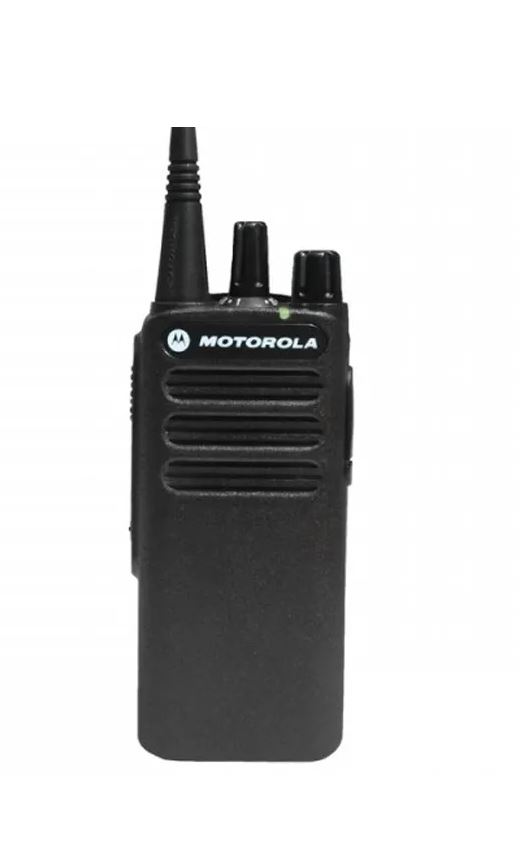
Motorola Solutions — United States
Headquartered in Chicago, IL — though manufacturing is largely overseas. Motorola is the dominant brand in North American business radio, with decades of enterprise deployment behind them. They split into two companies in 2011: Motorola Solutions (business and public safety radios) and Motorola Mobility (phones). For business radios, you want Motorola Solutions. Their ecosystem is unmatched — accessories, repeaters, software, and service networks are everywhere in the US. Support and parts availability are excellent. Generally considered the industry standard for North American commercial use.
Kenwood — Japan
Japanese-engineered, manufactured primarily in Asia. Kenwood has a strong reputation for audio clarity and build quality — their radios are often praised for sounding better in noisy environments than comparably priced competitors. They have a loyal following in trades, hospitality, and industrial sectors. Slightly less dominant than Motorola in the US market, but their dealer and service network is solid. Often seen as offering better value per dollar than Motorola at the mid-range tier.
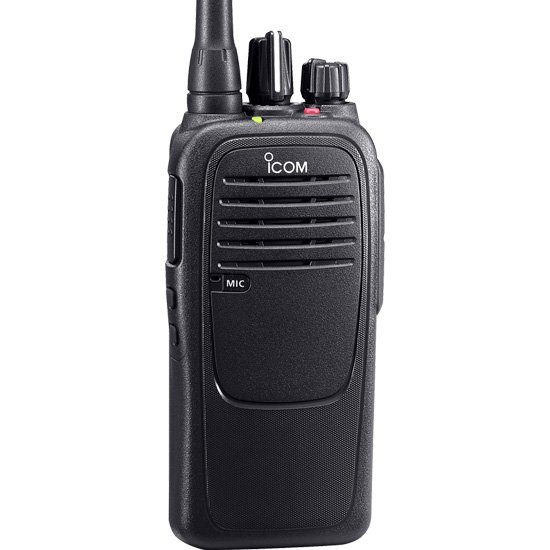
ICOM — Japan
Also Japanese, founded in Osaka. ICOM is particularly strong in marine, aviation, and amateur radio markets, but their business land mobile radios are well-regarded too. Known for precision engineering and longevity — ICOM radios tend to have very long service lives. Slightly more niche in general business use compared to Motorola or Kenwood, but a trusted name among serious users. Strong in government and public safety applications internationally.
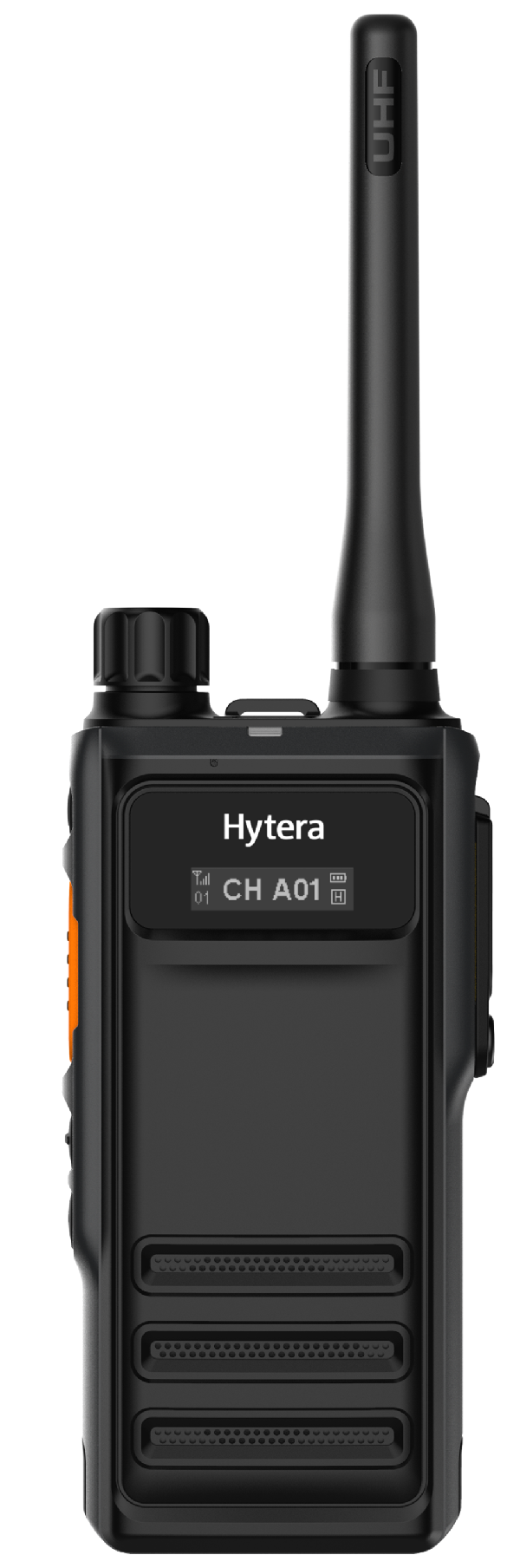
Hytera — China
Chinese manufacturer headquartered in Shenzhen. Hytera has aggressively expanded into the professional radio market and now competes directly with Motorola and Kenwood on features and specs — often at lower prices. Their DMR (digital) radios in particular have received strong reviews. However, Hytera has faced significant controversy: they were involved in a major trade secret lawsuit with Motorola Solutions, and the US government has added them to restricted vendor lists due to national security concerns. Worth knowing before purchasing for any sensitive business environment.
BaoFeng — China
The elephant in the room. BaoFeng radios are Chinese-made and sold for as little as $20 to $30 per unit. They are enormously popular with hobbyists and budget buyers. However, they are not designed for business use and come with real drawbacks — inconsistent quality control, questionable FCC compliance on some models, no real business support infrastructure, and poor durability in demanding environments. Fine for casual or emergency use; not appropriate for a professional fleet.
The Big Divide: Professional vs. Consumer Grade
This is arguably the most important distinction a buyer can make. Not all two-way radios are created equal, and the difference between a consumer radio and a professional one goes far beyond price.
Why retail radios are not ideal for commercial needs?
Brands like Cobra, Midland, Uniden, and BaoFeng are sold at Walmart, Target, and sporting goods stores. They are designed for weekend camping trips and family outings — not daily professional use. Key problems for business include:
Overstated range claims — packaging may say "35 miles" which is a theoretical line-of-sight figure in open air with zero obstructions. Real-world warehouse range is often a fraction of that.
FRS locked — most consumer radios are locked to FRS frequencies at low wattage (2W max by FCC rules), limiting real-world range and penetration.
Cheap construction — plastic housings, weak battery contacts, and non-replaceable batteries that degrade quickly under daily charging cycles.
No serviceability — when they break, you throw them away.
No accessories ecosystem — no headsets, remote speaker mics, or programming software designed for them.
Short duty cycles — not designed for 8 to 10 hour shift use.
Professional and Commercial Grade Radios
Professional radios from Motorola, Kenwood, ICOM, and Hytera's business lines are built to an entirely different standard:
Mil-Spec or IP-rated durability — tested against dust, moisture, drops, and temperature extremes.
Replaceable batteries — swappable battery packs designed for years of daily use.
Higher transmit power — typically 2 to 5W, meaning real-world range that actually works inside buildings.
Accessories ecosystem — surveillance earpieces, remote mics, multi-unit chargers, and programming cables.
Serviceable and repairable — authorized dealers can repair and maintain them.
Consistent frequency performance — properly tuned and FCC type-accepted.
Longer warranty and support lifecycles — radios often last 5 to 10 years in service.
How to Think About Brand Selection
Once you have decided to invest in professional-grade radios, the following factors should guide your brand choice:
Support Network
Does the brand have local dealers and repair centers near you? In North America, Motorola has the densest network by far. Kenwood follows closely. A local dealer matters when a radio breaks mid-shift and you need it repaired or replaced quickly.
Accessories Availability
Can you easily find replacement batteries, chargers, and headsets? Motorola and Kenwood have the widest third-party accessories markets. This matters because accessories often outlast the radios themselves, and you will want consistent compatibility across your fleet.
Resale and Used Market
Motorola and Kenwood have strong used markets, which can significantly lower fleet acquisition cost. A used Motorola CP200d in good condition is often a better investment than a new consumer radio at the same price.
Digital vs. Analog
If you anticipate moving to digital radio (DMR) in the future, Motorola and Hytera lead in this space. Motorola's MOTOTRBO platform is widely deployed in industrial settings and offers features like GPS tracking, text messaging, and encrypted communications.
Country of Origin Concerns
Relevant if working in government, defense-adjacent industries, or any environment where vendor security is a consideration. In these cases, US-aligned brands like Motorola or Japanese brands like Kenwood and ICOM are the appropriate choice. Hytera and BaoFeng should be avoided in sensitive environments.
Total Cost of Ownership
Cheap radios replaced every two years cost more than quality radios lasting eight years. Factor in batteries, repairs, downtime, and productivity impact when comparing price points. A professional radio that lasts a decade with minimal maintenance almost always wins on total cost.
Bottom Line
For serious business use, stay within the professional tier. Motorola is the safest and most supported choice in North America. Kenwood and Hytera offer comparable quality often at better value. ICOM is also a proven alternative. Avoid consumer-grade radios entirely for any fleet deployment — the per-unit savings disappear quickly when you are replacing broken units and dealing with coverage gaps in your facility.