
DMR vs NXDN vs P25: Digital Standards Explained for Business Buyers
By Bruce Fogelberg - www.twowayradio.com. We are commercial radio experts since 2000. , Two Way Radio Expert
Published: October 13, 2026

DMR: the business default
DMR (Digital Mobile Radio) is the most widely deployed digital standard for commercial users worldwide. It was published by ETSI, the European standards body, and is supported by dozens of manufacturers.
How it works. DMR splits each 12.5 kHz channel into two alternating time slots (TDMA). Each slot carries its own conversation, so one licensed frequency pair on a repeater gives you two talk paths. That doubles capacity without buying more spectrum or a second repeater.
The three tiers:
- Tier I is license-free, low-power operation in Europe (446 MHz). It is rarely relevant to U.S. buyers.
- Tier II is conventional (non-trunked) licensed operation. This is what most businesses buy, from a single site to a few linked repeaters.
- Tier III is standards-based trunking for larger systems, where radios share a pool of channels automatically.
Manufacturers also sell proprietary multi-site and trunking layers on top of Tier II, such as Motorola's Capacity Plus, Connect Plus and Capacity Max. These work well, but they tie you to one vendor's infrastructure.
Strengths:
- Widest choice of radios, accessories, and dealers, which keeps prices competitive
- Two talk paths per repeater, plus battery savings because a radio transmits only half the time
- Mixed-mode radios let you run analog and DMR side by side during a migration
- Easy to find technicians and programming support
Weaknesses:
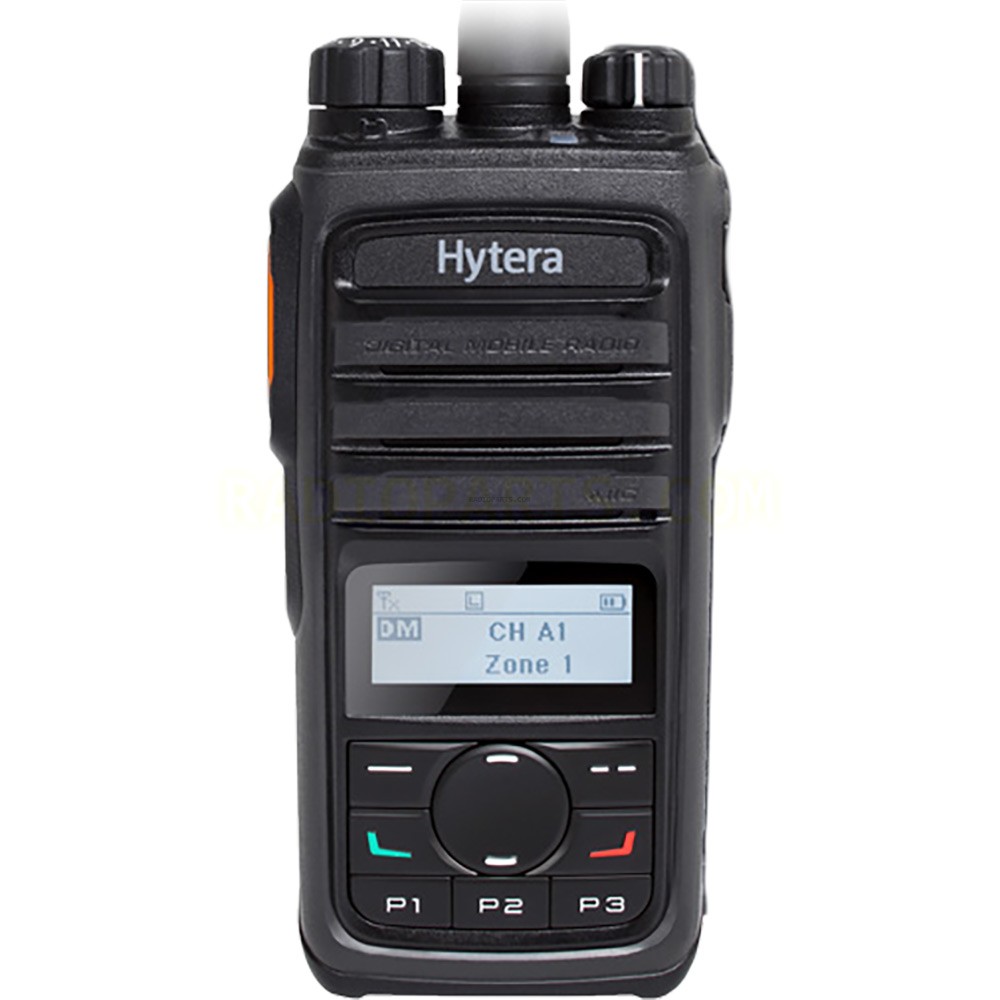
- Basic voice works across brands, but features like text, GPS, and encryption often do not
- Entry-level "basic privacy" is easy to defeat; strong AES encryption is an extra-cost option
- Brand-specific trunking and multi-site systems create vendor lock-in
NXDN: the narrowband alternative
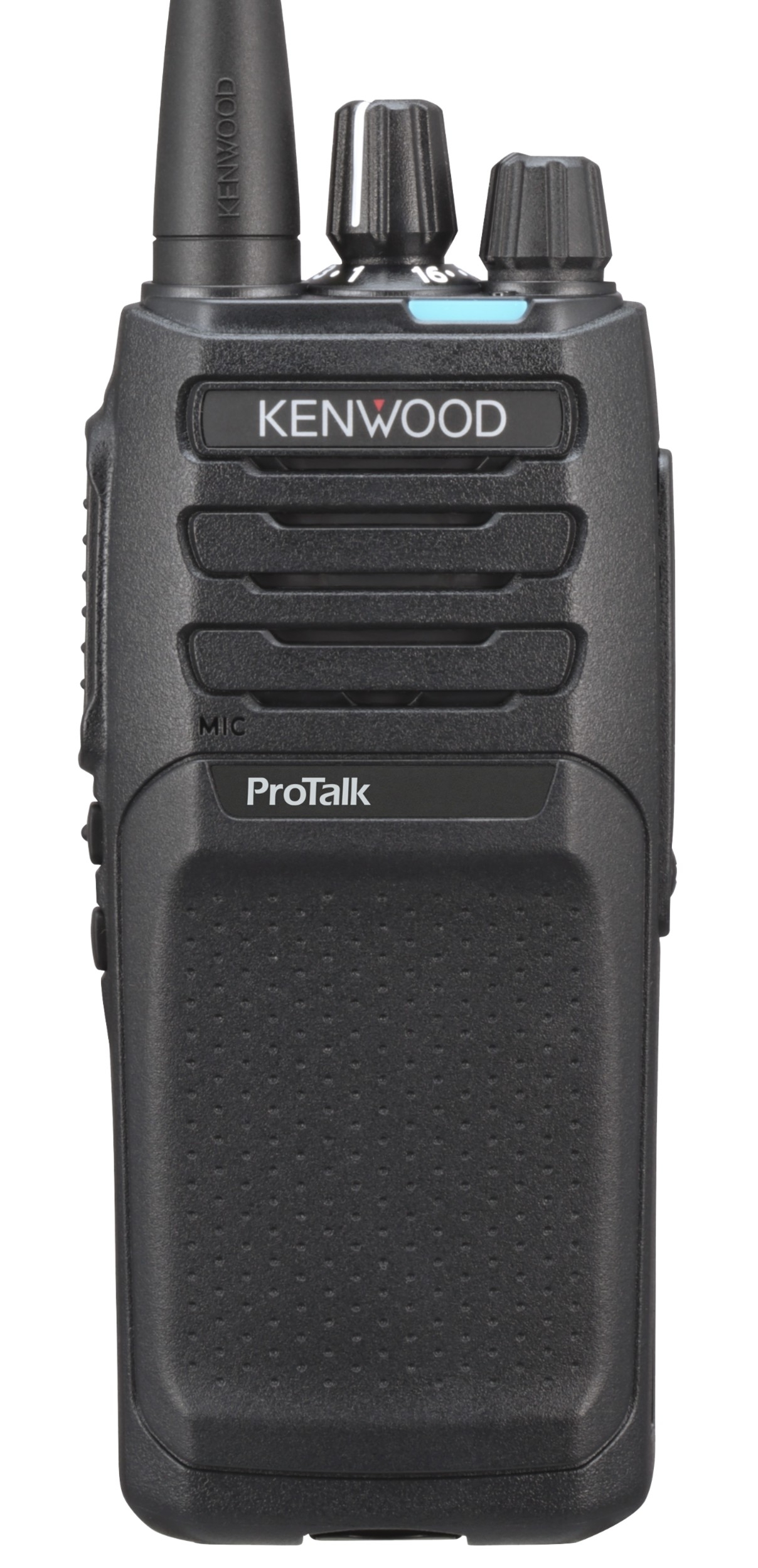
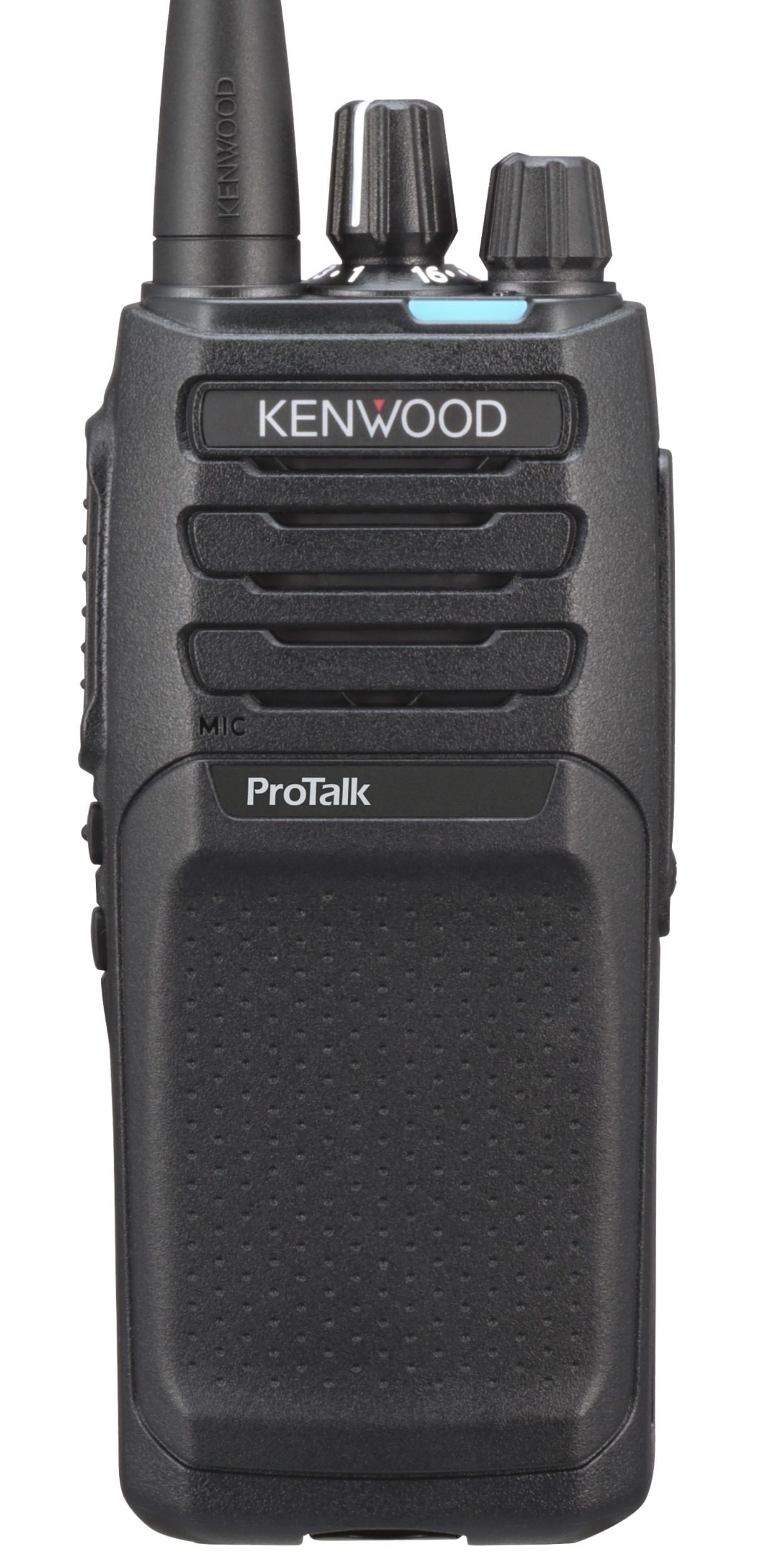
NXDN was developed jointly by Kenwood and Icom and is now managed by the NXDN Forum. Kenwood sells it under the NEXEDGE brand; Icom sells it as IDAS.
How it works. NXDN uses FDMA: each conversation gets its own narrow channel. In its most common form, that channel is just 6.25 kHz wide. Where a business can license 6.25 kHz channels, two NXDN channels fit in the space of one 12.5 kHz analog channel, matching DMR's spectrum efficiency in a different way.
Because each 6.25 kHz channel is independent, an NXDN repeater carries one conversation. Two talk paths require two repeaters, where DMR needs one. The trade-off is that very narrow channels can be easier to license in congested areas.
Strengths.
- Excellent range and weak-signal performance, a common reason utilities and rural operators choose it
- Proven conventional, trunked, and multi-site systems from Kenwood (NEXEDGE Gen 1 and Gen 2)
- Kenwood and Icom radios interoperate on the shared standard
- Many current Kenwood radios are multi-protocol, covering NXDN, DMR, and analog in one unit (and P25 on some models)
Weaknesses.
- Only two major manufacturers, so fewer radio and accessory choices than DMR
- Smaller dealer and technician network in some regions
- Not widely used by neighboring businesses, so less chance of sharing infrastructure
P25: the public safety standard
P25 (Project 25) was created by APCO and U.S. federal, state, and local agencies so that police, fire, and EMS radios from different makers could work together. The TIA publishes the standard, and federal grant programs often require it.
How it works. P25 comes in two phases:
- Phase 1 uses FDMA on a 12.5 kHz channel: one conversation per channel. It is the most widely supported mode and is used on most conventional P25 systems.
- Phase 2 uses two-slot TDMA on a 12.5 kHz channel, like DMR, and is used mainly on large trunked systems.
Strengths.
- The deepest multi-vendor interoperability of any standard, backed by a formal compliance testing program
- Standardized AES-256 encryption that works across brands
- Direct communication with public safety agencies and many statewide radio systems
- Built for mission-critical reliability and large regional networks
Weaknesses.
- Radios often cost two to four times as much as comparable DMR or NXDN units
- Infrastructure, programming, and encryption key management add cost and complexity
- Many features business users want are unnecessary for P25's core purpose, so you pay for capability you may not use
- Joining a government system usually requires an agency agreement and may not be open to private businesses
For a private business, P25 makes sense mainly when daily coordination with responders is a real requirement, not a nice-to-have.
Seven questions that decide the right standard
- Who do you need to talk to? If the answer includes police or fire, start with P25. If it includes a contractor, landlord, or sister site that already runs DMR or NXDN, match them.
- What do you already own? An existing Motorola fleet points toward MOTOTRBO DMR. An existing Kenwood or Icom fleet points toward NXDN or a multi-protocol Kenwood radio. Reusing repeaters, antennas, and licenses saves real money.
- How many users share a channel? If one repeater is crowded, DMR's two slots double capacity on the same license. NXDN and P25 Phase 1 need a second channel and repeater to do the same.
- How big is your coverage area? A single building or campus is simple with any standard. Multiple sites, long highways, or rural service territories call for a multi-site or trunked design, and the vendor's system platform matters as much as the standard.
- Do you need real encryption? Healthcare, security, and executive protection users often do. Ask specifically for AES-256 and confirm whether it works between the brands you plan to mix.
- How will you move off analog? Mixed-mode radios and repeaters let you migrate in stages. Plan for a period where analog and digital users share the system.
- What is your total budget, not just the radio price? Include repeaters, licensing, programming, accessories, batteries, and service. A cheaper radio on an expensive system can cost more overall.
Licensing note. Every standard here operates on FCC-licensed business frequencies (Part 90). Your license must list the emission designator for the digital mode you use, so update it before switching from analog. A licensed dealer or frequency coordinator can handle this.
Which standard fits your business

Common myths and costly mistakes
- "Digital always means better range." Digital audio stays clear further out, but it drops off abruptly instead of fading. Real coverage depends on power, antennas, terrain, and repeater placement.
- "Any DMR radio works with any other DMR radio." Basic voice usually does. Text messages, GPS, emergency alerts, and encryption often do not cross brands. Test before you mix.
- "Basic privacy is secure." Entry-level DMR privacy and NXDN scrambling keep out casual listeners only. Use AES-256 for anything sensitive.
- "P25 is the premium choice for everyone." P25 is built for public safety. For most businesses it adds cost without adding value.
- Forgetting the license. Switching to digital without updating your FCC license emissions is a compliance problem.
- Buying radios before designing the system. Choose the standard and the system architecture first, then the radios. A good dealer will run a coverage plan before quoting.
Frequently asked questions:
Can DMR, NXDN, and P25 radios talk to each other? Not directly. Each uses a different digital format. Multi-protocol radios can switch between standards channel by channel, and gateway equipment can bridge systems, but a single-protocol DMR radio cannot hear an NXDN or P25 radio.
Can digital radios still talk to my old analog radios? Yes. Nearly all DMR, NXDN, and P25 radios also operate in analog. Mixed-mode repeaters can even serve both types on the same channel during a transition.
Which standard has the best audio? All three use digital voice codecs designed for noisy environments, and all sound clearer than analog at the edge of coverage. Differences between radio models and accessories matter more than differences between standards.
Is one standard better for battery life? TDMA radios (DMR and P25 Phase 2) transmit only half the time during a call, which can extend talk time. In practice, battery capacity and usage patterns matter more.
Do I need a repeater? Not for short-range, radio-to-radio use on one site. A repeater extends range and is needed for most buildings over a few floors, campuses, or multi-site coverage.
Will my digital investment be obsolete soon? All three standards are mature and actively supported. DMR and NXDN radios commonly stay in service for 7 to 10 years, and P25 systems are planned for even longer lifecycles.
The bottom line
Choose DMR if you want the most choice and the lowest cost per user. Choose NXDN if you run Kenwood or Icom, cover a large or rural area, or value narrowband licensing. Choose P25 only when talking to public safety is part of the job.
Whatever you choose, plan the system before you buy the radios, confirm which features work across brands, and update your FCC license. Ready to compare radios? Browse DMR, NXDN, and P25 models from Motorola, Kenwood, Hytera, and Icom at TwoWayRadio.com (https://www.twowayradio.com), or ask our team for a system recommendation.