


School safety with Two-way radios
December 4, 2025
School Safety Standards for Two-Way Radios
1. Core Requirements for School Radios
Most districts standardize around these baseline capabilities:
✔ Reliability
- UHF radios (450–470 MHz) are preferred for schools because they penetrate buildings better.
- Digital (DMR/NXDN) is recommended for clarity during emergencies.
- At least 4–5 watts (portable) recommended for larger campuses.
✔ Instant Communication
- Private call not necessary—one-to-many communication is critical.
- Zero dialing, zero connection delay.
✔ Durability
- MIL-STD-810 drop resistance preferred.
- IP54/55+ moisture/dust resistance.
✔ Battery Endurance
- On-campus shifts typically require 10–14 hours of battery life.
2. Channels / Talkgroup Standards
Typical School Radio Channel Plan
- Channel 1 – General Operations (Main)
- Front office, administrators, teachers on duty.
- Channel 2 – Safety / Security
- Security officers, SROs, custodial supervisors.
- Channel 3 – Maintenance / Facilities
- HVAC, custodial, cafeteria.
- Channel 4 – Emergency Only
- Locked down so staff can quickly switch if main channel is cluttered.
- Optional – Bus/Transportation
- Usually a separate repeater system, but can be linked.
Many districts codify this into their Emergency Operations Plan (EOP).
3. Coverage Standards
Minimum Coverage Expectation
- 100% coverage inside the main school building, including:
- Basements
- Gymnasiums
- Stairwells
- Boiler/mechanical rooms
- Outdoor coverage to:
- Athletic fields
- Pickup/drop-off zones
- Parking lots
Repeater Requirements
A repeater is recommended when:
- School is > 80,000–100,000 sq ft
- There are multiple buildings
- Concrete walls / metal structures disrupt signal
- You need district-wide communication
4. Emergency Communications Standards
Radios should support:
- All-call / Priority interrupt (Admin can override chatter during real emergencies)
- Lone-worker alerts (optional but used in some districts)
- Emergency button (orange button with ID burst to office/security)
- Man-down (optional for security staff)
FCC Licensing
- Most schools need an FCC Part 90 license for UHF repeater-based systems.
- Some small campuses use license-free (FRS), but these are not recommended for safety.
5. Best-Practice Safety Procedures
Staff Training
- How to call a lockdown / lockout / evacuation.
- Clear text communication (no codes).
- “Repeat-back” confirmation for critical instructions.
Standard Radio Protocol
- Say “Name, Location, Issue.”
Example: “Ms. Jones, Building A hallway, medical issue.”
Encrypt or Not?
- K–12 is moving toward basic digital encryption, especially when:
- SROs are involved
- Student info may be shared
- Radios connect to District Emergency Operations Center
6. Equipment Recommendations (By Category)
Entry-Level (Small Campuses, No Repeater)
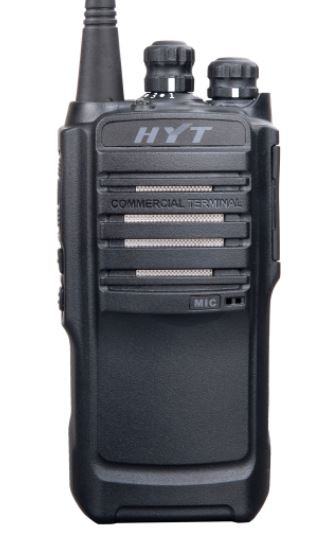
- 1–2W UHF digital/analog radios
- 4–6 channels
- Lightweight for teachers
Mid-Range (Most K–12 Schools)
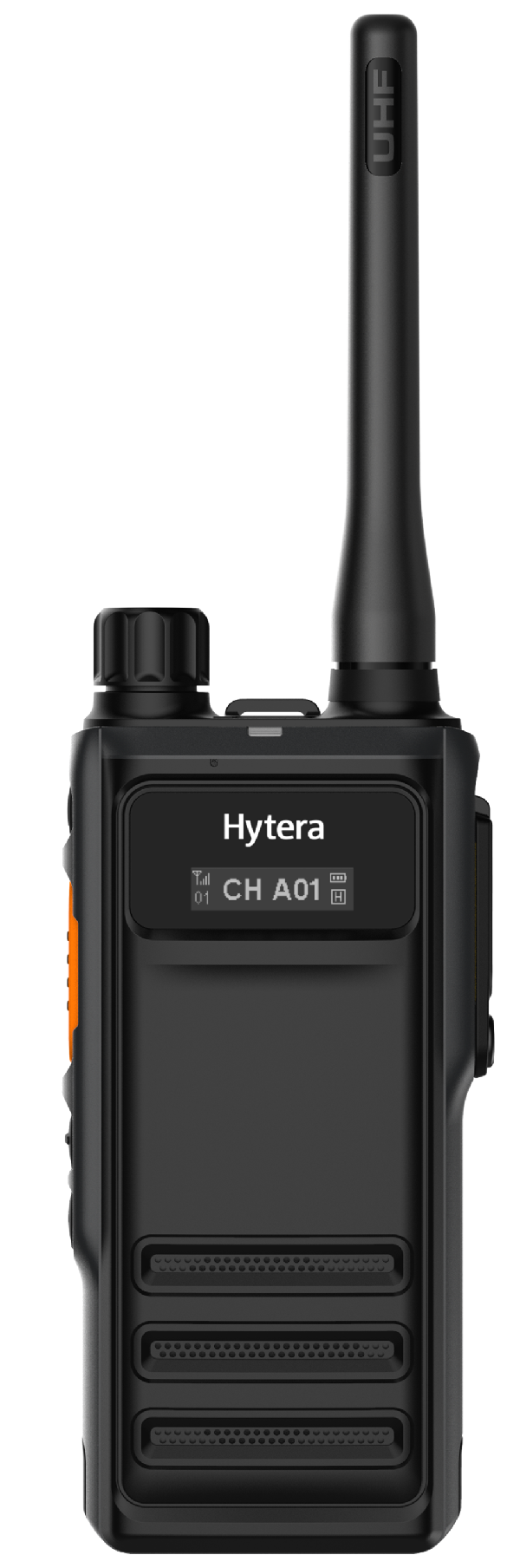
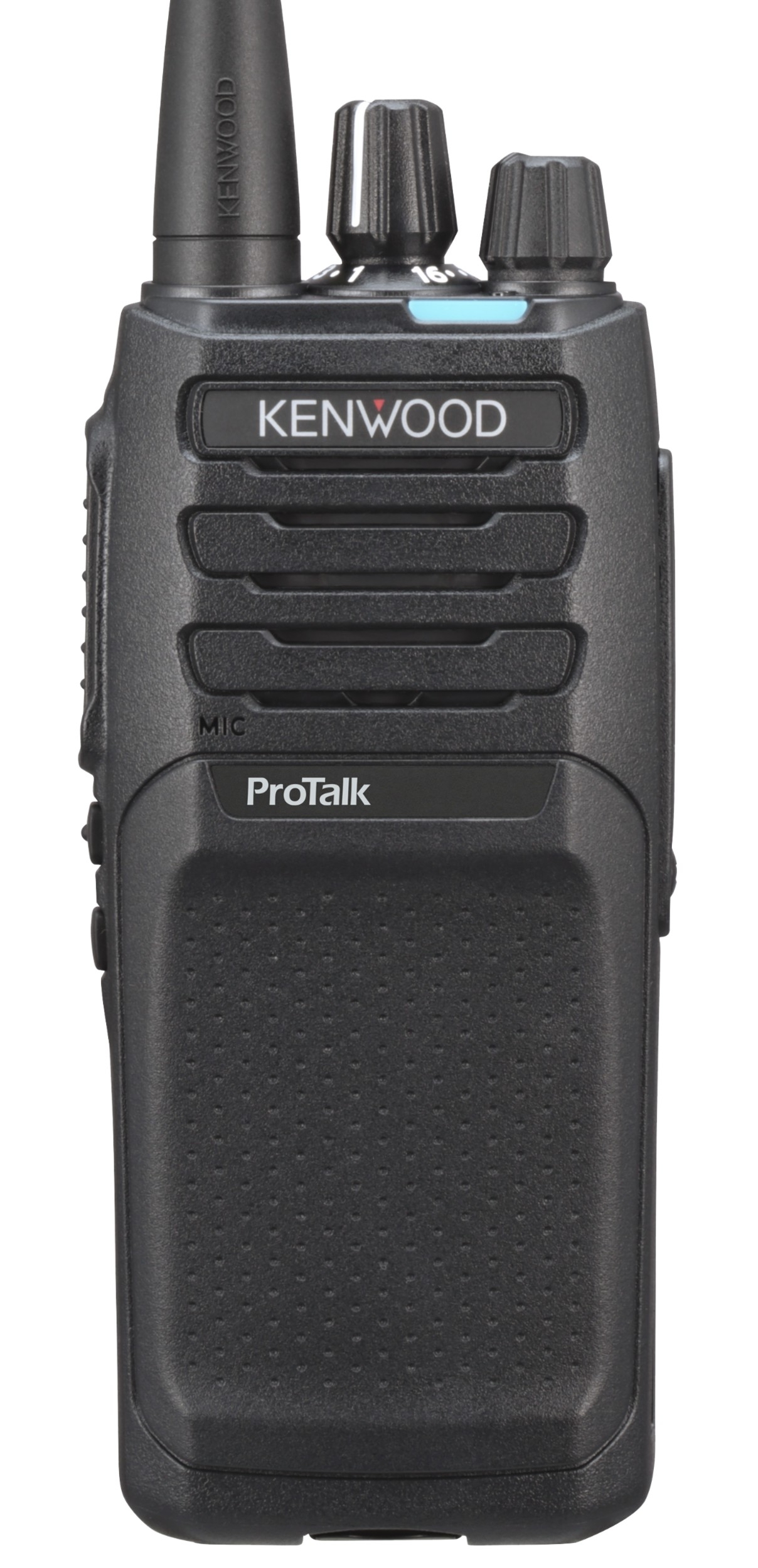
- 4–5W UHF digital radios
- Emergency button
- 16+ channels
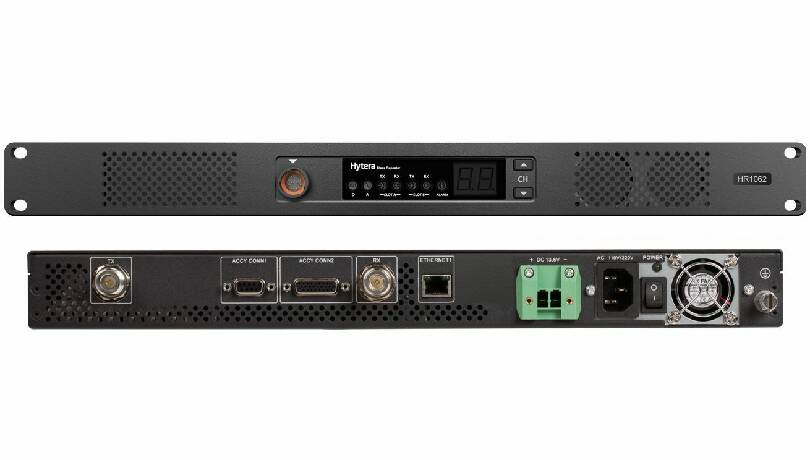
- Can tie into a repeater
High-Security / Multi-Building
- Digital (DMR/NXDN) with encryption
- GPS / indoor positioning (optional)
- Repeater + backup power