
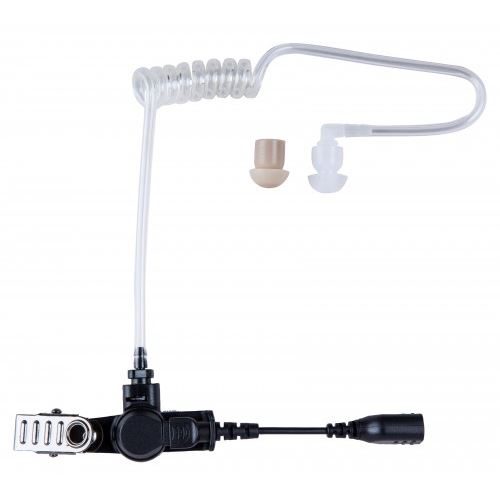
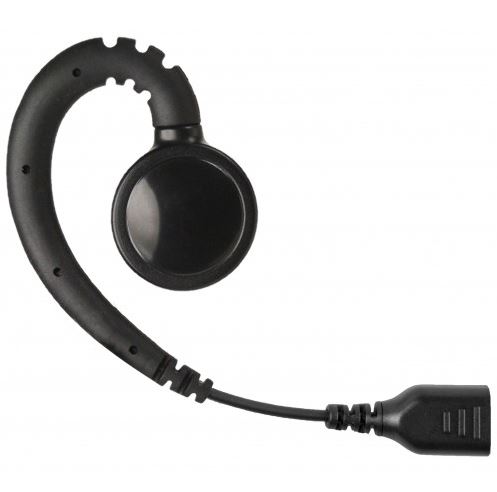
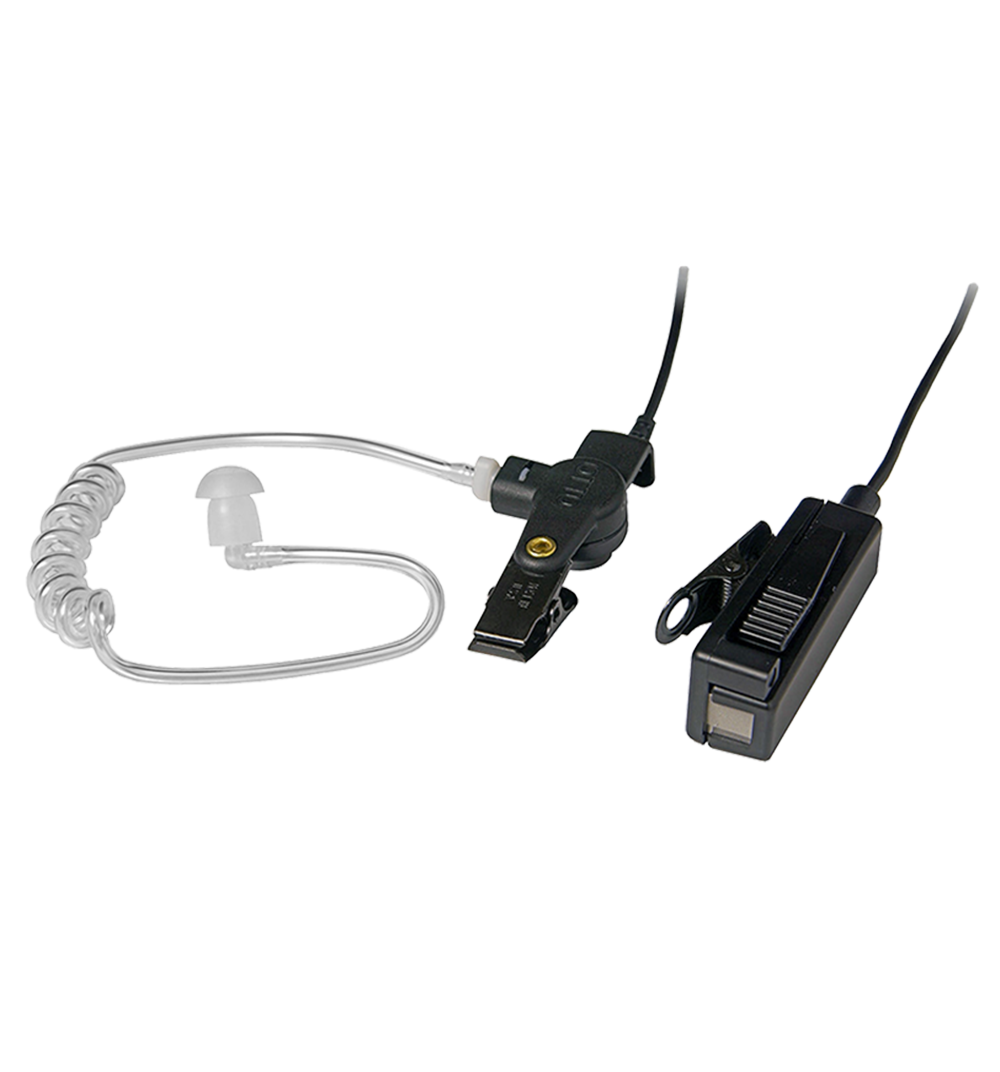
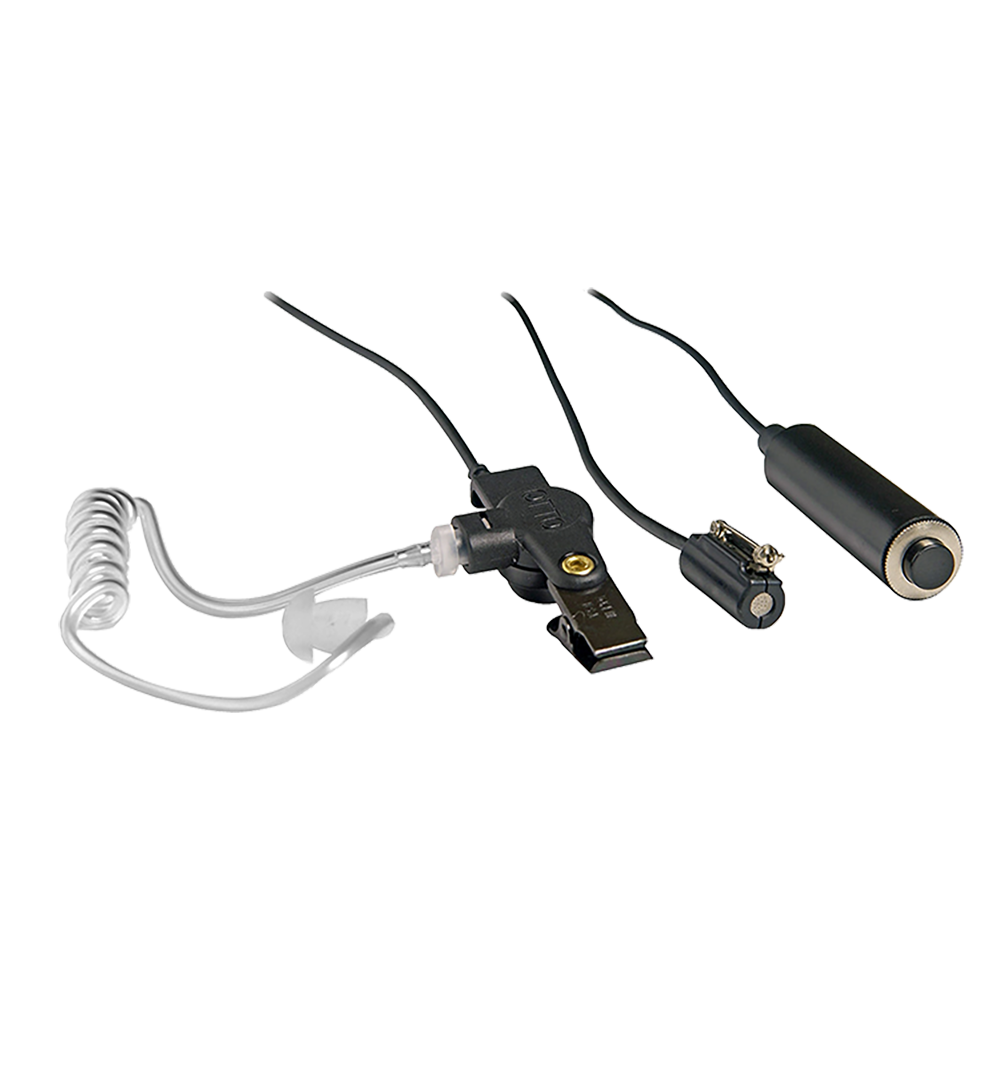

Two-Way Radio Earpiece / Ear-hook Styles
February 7, 2025
Major Style & Wiring Types of Radio Earpieces
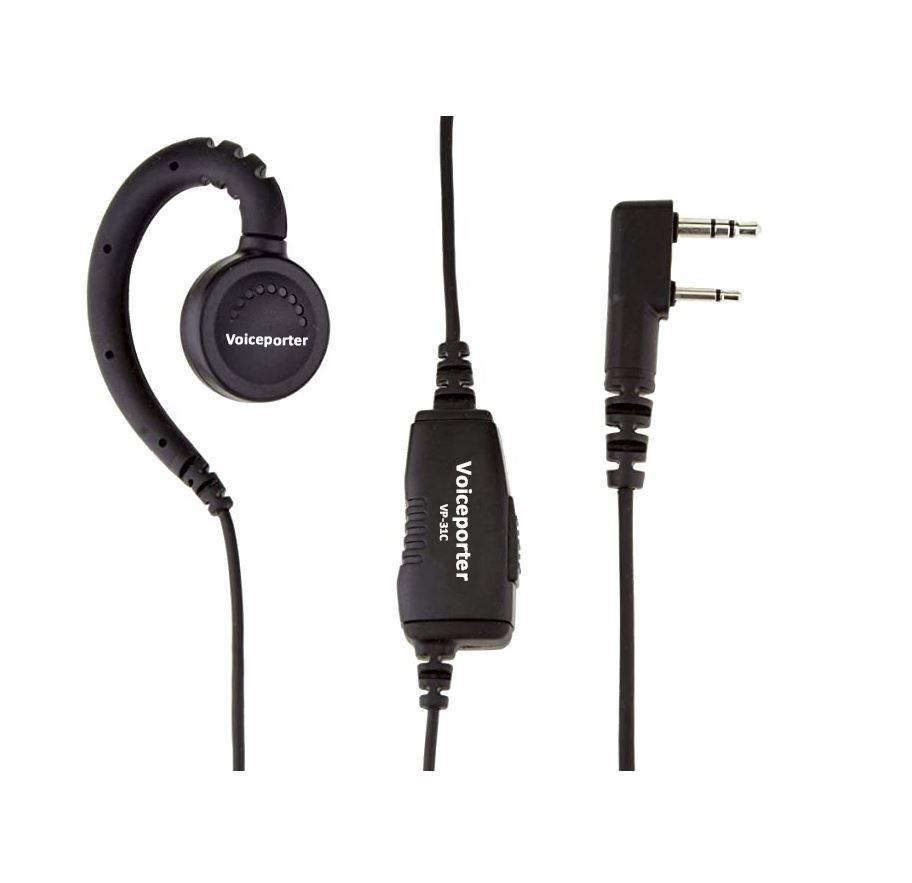
Voiceporter VP-31C Earpiece - 1-Wire, Swivel, G-Hook, KHS-31C Replacement - K01
Style / Wear Options
These refer to how the earpiece sits on or in your ear/head.
- In-ear (earbud-style) — sits in your ear canal.
Pros: discrete, good for light duty or customer-facing.
Cons: may be less durable, may struggle in very noisy environments.
Cons: may be less durable, may struggle in very noisy environments.
- Ear-hook / Over-ear — a hook goes over the ear (or around the ear) with the ear-bud/speaker on/near ear. RayTalk Comms+1
Pros: more secure fit for active use.
Cons: slightly more visible.
Cons: slightly more visible.
- Headset style (single or dual ear, full-headband/behind-head) — more like a full headset rather than just earpiece. RayTalk Comms
Pros: ideal for heavy duty / noisy environments / long shifts.
Cons: more bulky, more cost.
Cons: more bulky, more cost.
Wiring / Kit Styles
This concerns how many wires, where the mic/PTT (Push-To-Talk) is located, and how the earpiece connects. With product example to link to...
One-Wire Kit — everything (mic/PTT + earpiece) on a single cable going to the radio. earpiece.Two-Wire Kit — one wire to PTT/mic, another to the earpiece speaker.Three-Wire Kit — separate wires for earpiece, mic, and PTT or for multiple functions. earpiece.
Other Important Considerations
- Connector type: Different radios have different audio/earpiece connectors — not all earpieces are compatible. walkie-talkie-radio.co.uk+1
- Environment/noise: In noisy settings, you’ll want a style that isolates sound or has better clarity.
- Discreteness / visibility: For security, retail, crowd work you might prefer more discreet (clear-tube, single ear) earpiece.
- Comfort & fit for extended use: Especially if worn many hours — headbands or over-ear may be better.
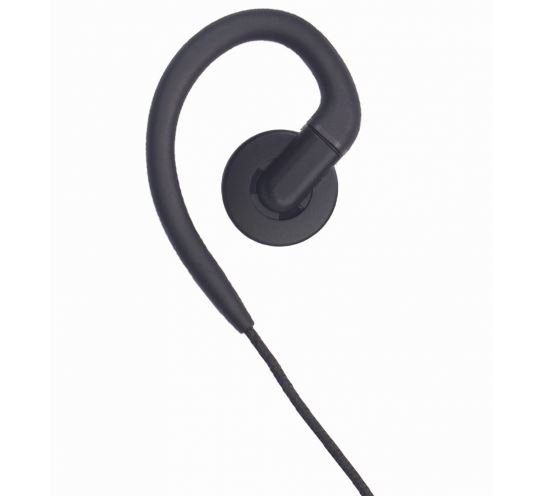
Voiceporter Snap-LOC VPE-SLGHSLIM Earpiece - G-Hook, Swivel, Slim Version - Requires Snap-LOC Base Cords
How to Choose What’s Right for You?
Here are a few questions to guide your decision:
What environment will you be using it in?
- Quiet office/retail → lighter, in-ear or earbud style may suffice.
- Noisy warehouse/outdoor construction → choose something with better fit/noise isolation or headset style.
How long will you wear it?
- Short shift → lighter weight fine.
- All day wear → comfort matters (over-ear hook, ergonomic design, adjustable etc).
How discreet do you need to be?
- If you need to be unobtrusive (security, retail), clear-tube earpieces or single-ear, low profile styles work better.
What radio connector does your radio use?
- Make sure the earpiece is compatible with your radio’s make/model and connector type.
Budget vs durability vs brand:
- If you’re on a budget, generic models work. But for professional use (security, events, industrial), brand/quality and durability matter.
Wiring style (one-wire vs two-wire vs three-wire):
- If you want simplicity → one wire.
- If you want more flexibility (mic separate from ear piece) → two or three wire.
- More wires = more complexity but also more optionality/customization.
Comfort & headset vs earpiece:
- If you use it while moving a lot, or with hearing protections or heavy gear, the over-ear/headset styles may be more comfortable.
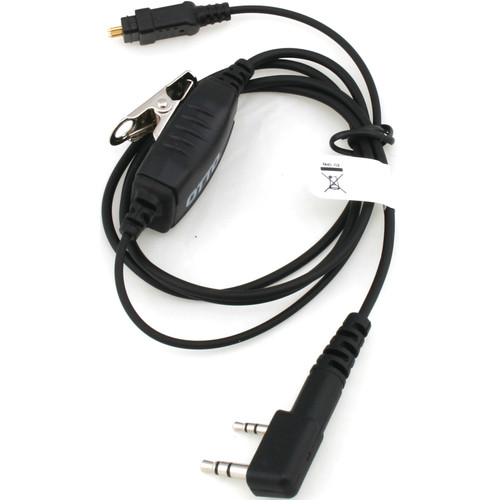
Otto LOC E1-1W2KA131 Earpiece System - 1-Wire Kit, Requires Interchangeable Earpiece - K01
Finally, consider High-Definition options:
High-definition (HD) two-way radio earpieces are designed for superior audio clarity, often featuring Knowles speakers, Knowles microphones, and reinforced cabling for professional, surveillance, or high-noise applications.
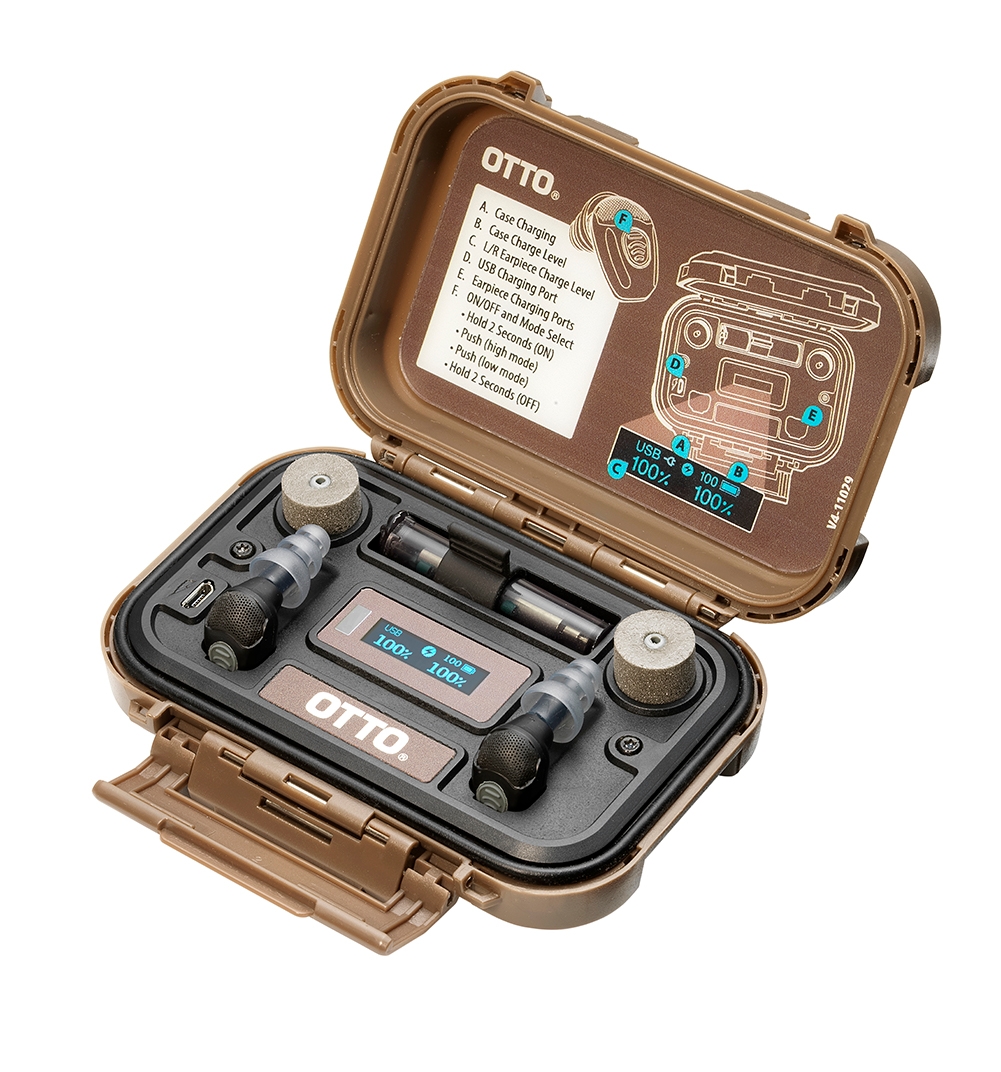
Otto V4-11029 NoizeBarrier Micro High Definition Ear Plugs - Active Hearing Protection
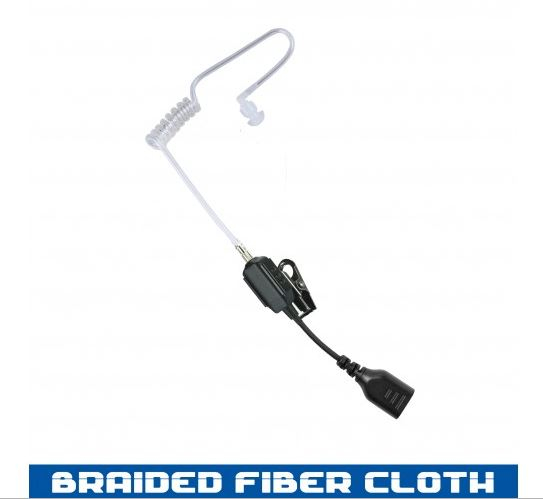
Voiceporter Snap-LOC VPE-SLATHD Earpiece - Knowles Hi-Def Speaker, Acoustic Tube, Braided Fiber - Requires Snap-LOC Base Cords